展覽論述
桃園青埔,擁有大型購物商場、綠地公園、高鐵、機場捷運,以及鄰近國門的桃園機場。交通、消費、居住與休憩被安排在一座快速成長的城市之中,相較於擁擠的首都中心,高度的便利性與生活機能,使這裡成為一處得以在生活中喘息、落腳的所在。然而,在一幅又一幅城市建設的未來藍圖裡,「未來」在這裡似乎不是等待發生的事情,而是一幅早已被描繪完成的圖像:土地被劃分、功能被賦予,商場、住宅、道路與公共建設陸續進駐,大量資本與人口隨之移入,過往人們口中長滿綠草的「未開墾荒地」,搖身一變成為快速發展的新興城市。只是,當一座城市愈來愈清楚自己應該成為什麼樣子,那些沒有被寫進藍圖裡的生活、記憶、關係與生長,又會發生在哪裡?
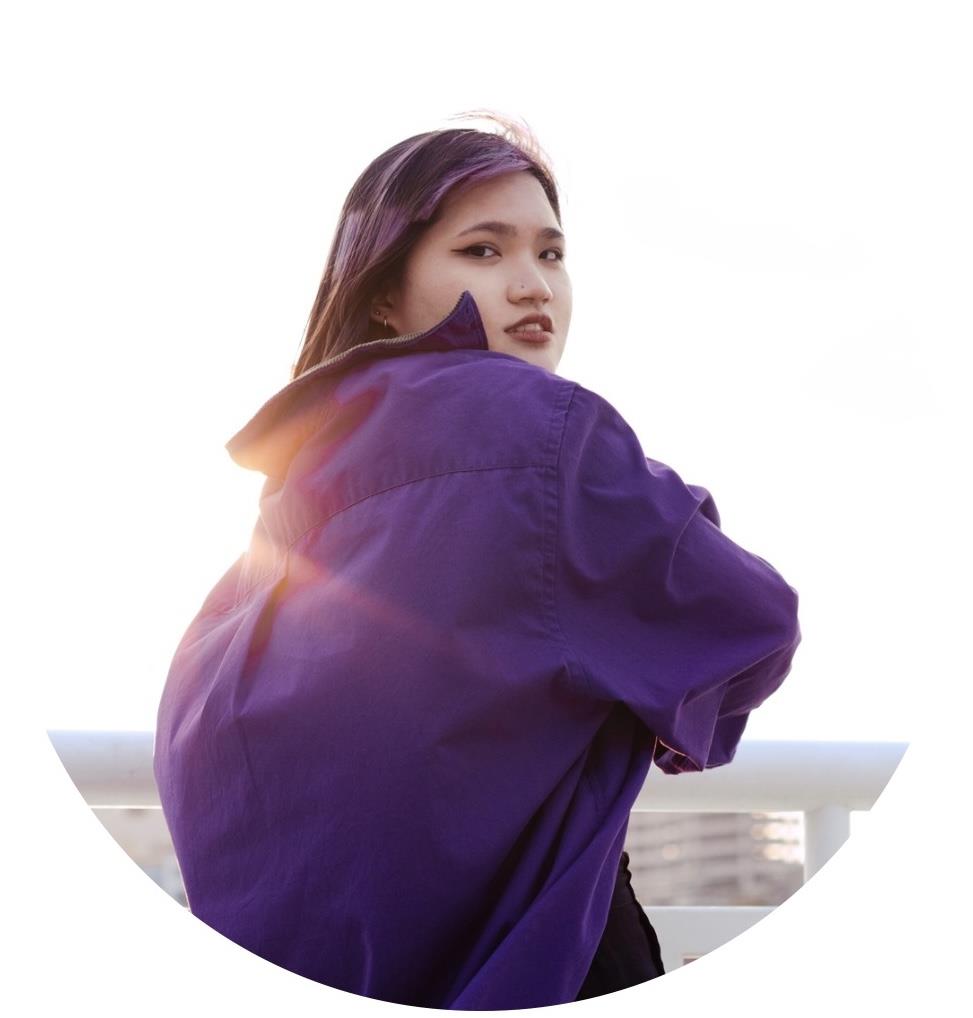
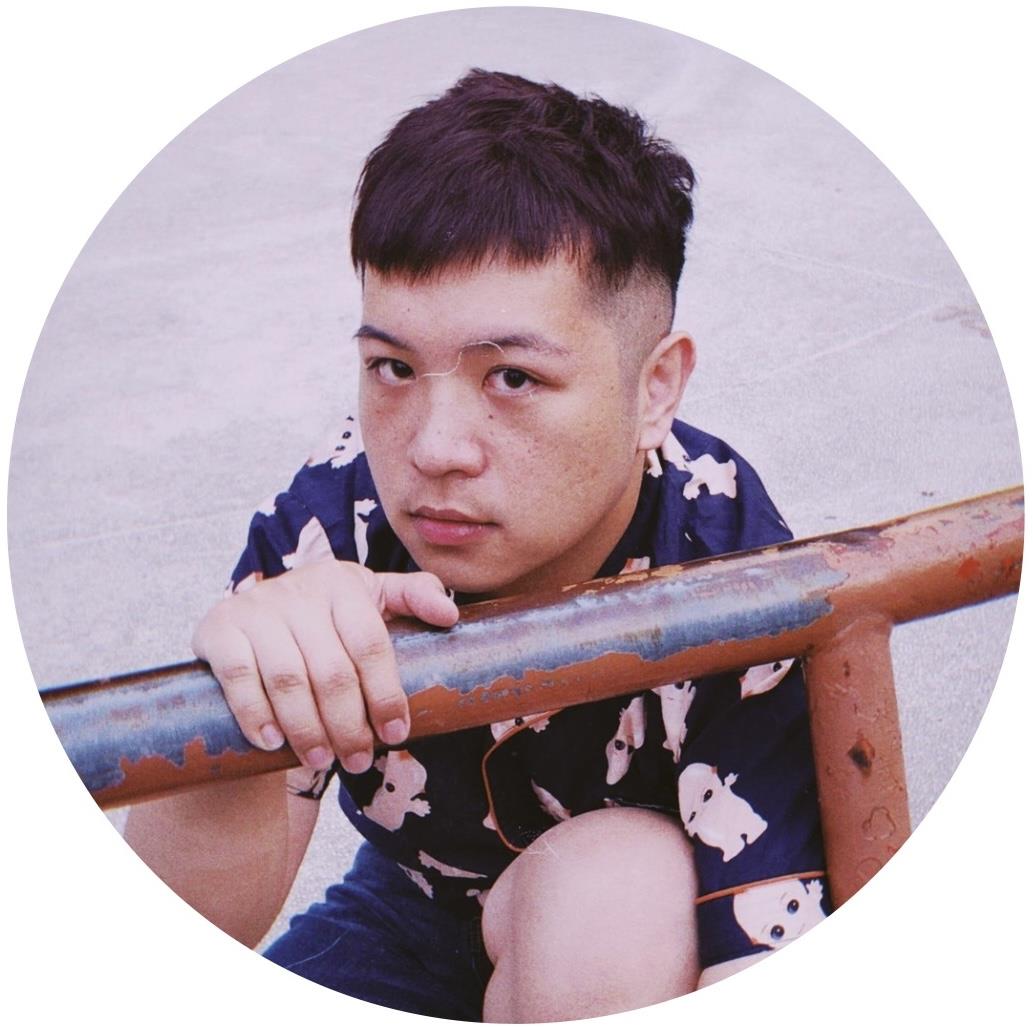
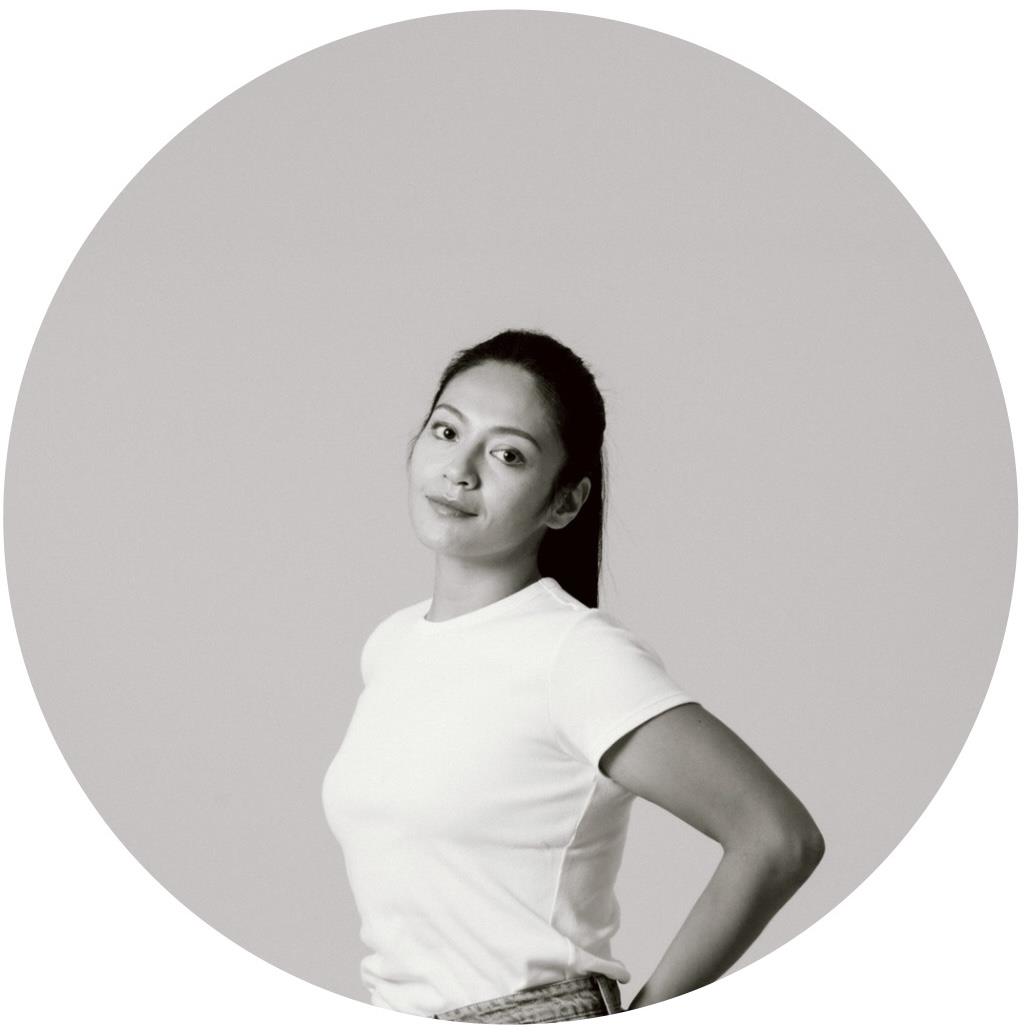
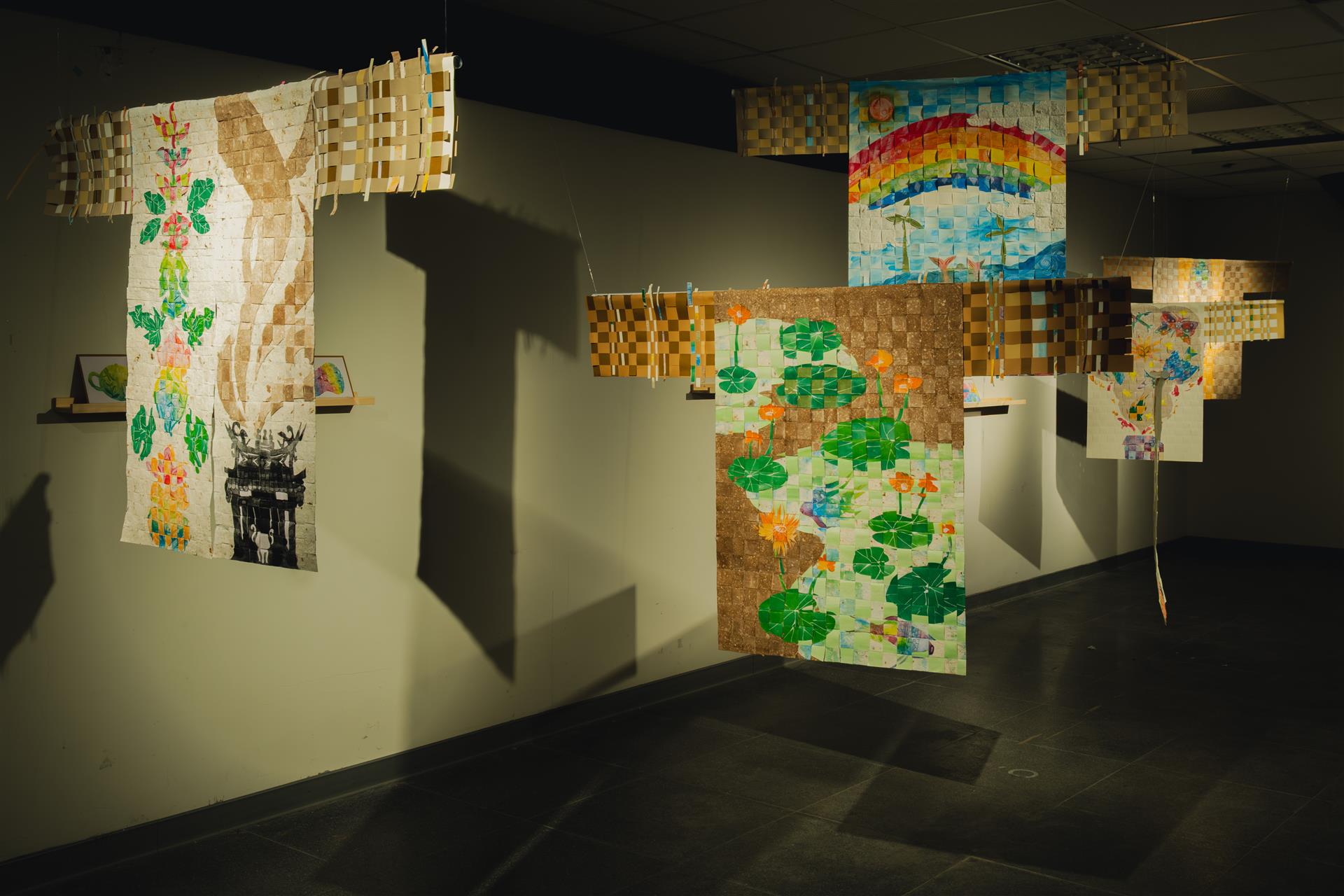
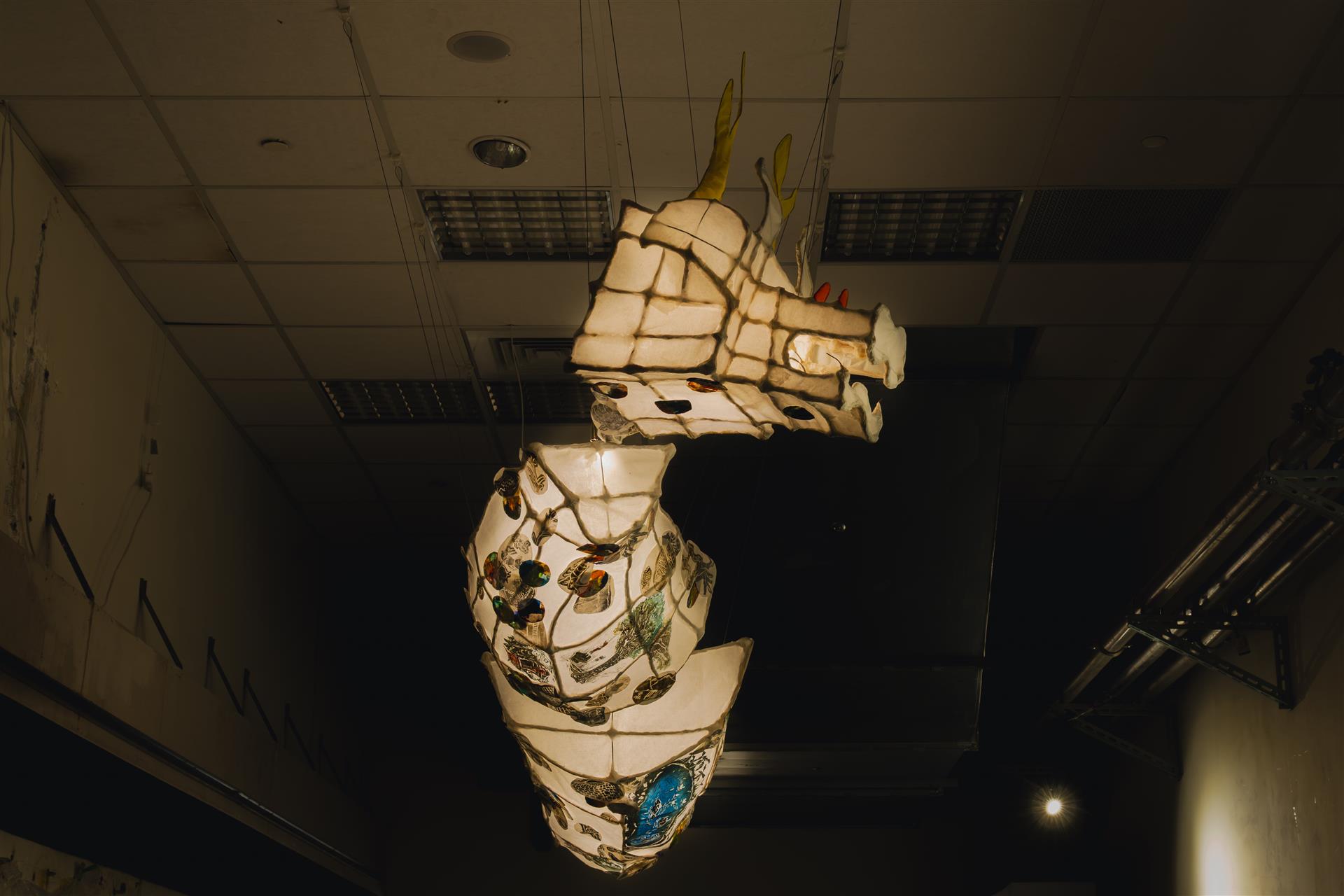
本展邀請的三位新銳原住民族青年當代藝術創作者,分別來自台東延平鄉布農族Ali Istanda 胡家瑜;南投仁愛鄉賽德克族Siyat Moses 阮原閩;新竹五峰鄉賽夏族maya’ a taboeh hayawan 羅媛,身處資本快速流動、島內遷徙不斷、地方與身分關係不斷重組的當代,他們以熟捻的版畫、造紙、行為藝術、編織等不同媒介,承襲著對於身分認同及混血樣態的探問、集體潛意識的神話傳說成為當代集體記憶的再採集、由身體作為感知物件關係的產生,持續探索關於桃園青埔內容,而看似一切被規劃好的駐村創作,在藝術家們這兩個月進駐KIRI國際原住民族文創園區的過程中,卻逐漸開展出另一種持續適應、協商、共處的狀態。
藝術家所產生的小擾動,不只介入園區原有的日常,也開始擾動我們觀看這個空間的方式。
藝術家們經由地方單位所規劃的走讀,並從各自發想進入社區文化健康站、關懷據點、青埔青昇宮等地,透過材料、記憶、身體,逐漸與地方關係靠近,將這些挖掘的內容與地方經驗,進駐KIRI國際原住民族文創園區三個店家持續發酵,並透過各自的「參與式工作坊」打開商家的經營空間,轉換成民眾共創的現場,讓一切的發生交由不同的人來敘述並交織在一起,讓我們再一次對KIRI國際原住民族文創園區,這個肩負「如同背簍滿裝收穫,推動原住民族文創產業與經濟發展」的大型文創聚落,有了不同的想像。
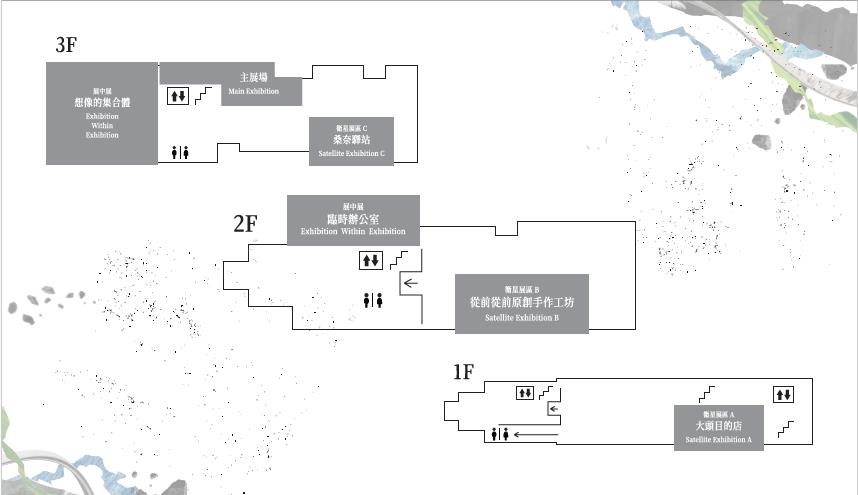
而這些發生,也並未隨著工作坊與駐村的結束而完全離開現場。三位藝術家曾經進駐、工作與相遇的店家,在本次展覽中再次成為觀看路徑的一部分。作品與參與留下的痕跡,有些仍清晰可見,有些已隨著活動結束重新回到店家的日常,也有些僅留下曾經停留與發生的線索。三處駐村現場因此不只是作品向外延伸的衛星展區,也讓觀看重新回到藝術實踐曾經發生的地方:當藝術暫時進入原本屬於營運、工作與生活的空間之中,一個地方原先被賦予的功能,是否也可能因為不同人的進入與使用,而產生另一種理解?
在此,一個空間的意義,或許從來不只存在於它被命名、規劃或賦予的功能之中,而是在不同的人進入、使用、停留、碰撞與協商之後,持續被生產出來。
隨著策展團隊一同進駐KIRI國際原住民族文創園區,我們也試圖從原先觀看、規劃駐村的位置,走進園區的日常,以參與及關係的建立重新理解這個空間。「城市探索行動|青埔感知資料庫」成為我們與遊客、商家、營運團隊及活動參與者接觸的媒介;在一次次的對談、停留與事件發生之中,我們逐漸發現,這個空間已然無法由任何單一角色完全主導,而是在一次次協商、碰撞、退讓、適應與共處之中,持續生成彼此的關係,也改變著KIRI成為一個什麼樣的地方。
我們逐漸發現,被擾動的不只是園區原有的日常,也包括原先對於「駐村」的想像。
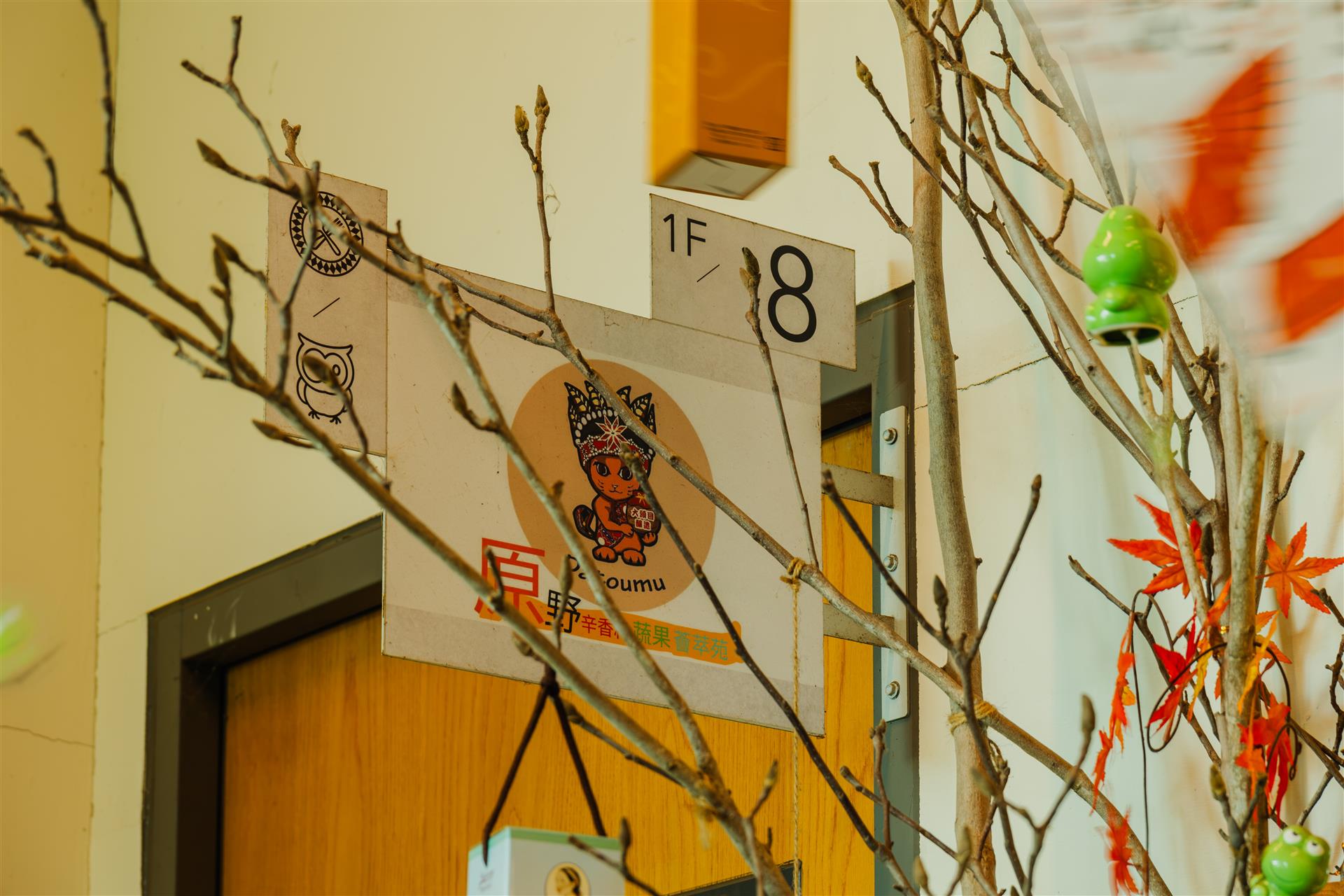
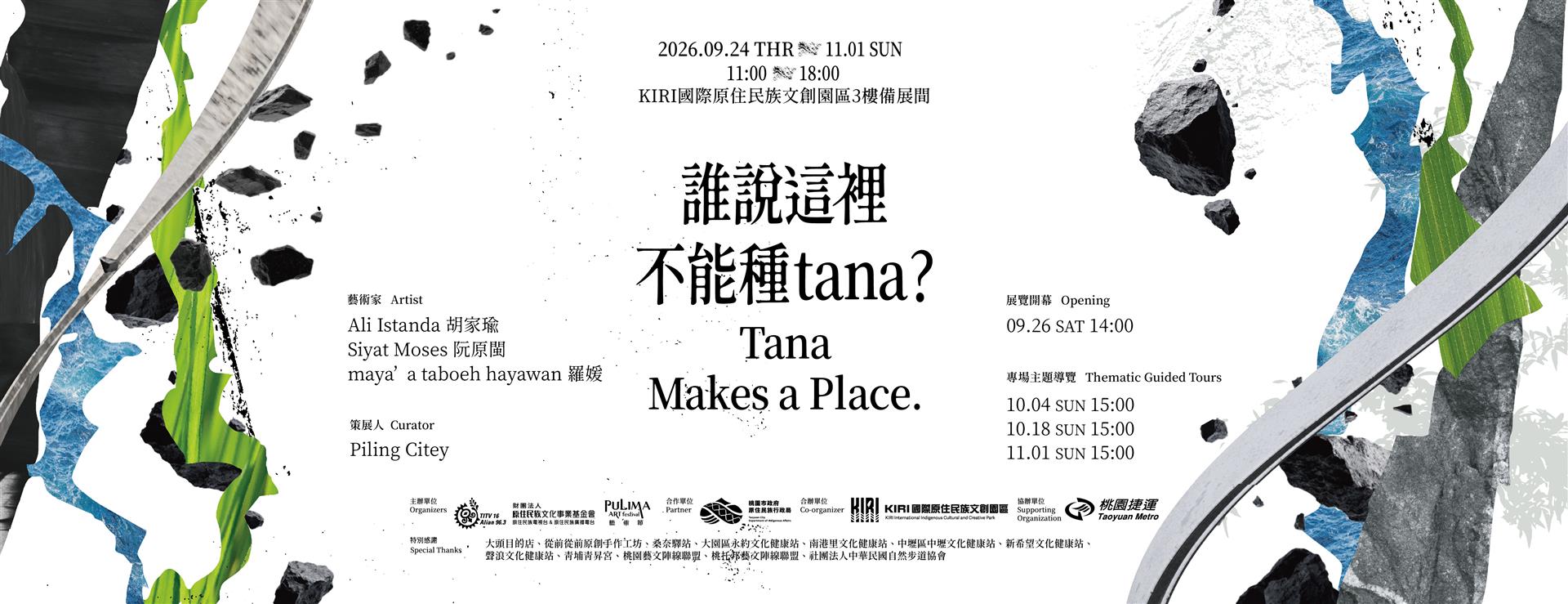
「誰說這裡不能種tana?」,這是一句在跟商家相處的日常對話,在桃園青埔這一段不斷疊加生成的路徑;在這些被精密規劃的空間縫隙之中,仍有許多不在藍圖上的生命持續生長。tana——阿美族語中的刺蔥——或許正是這樣的一種提問:在被規劃完成的城市裡,是否仍存在其他生長的可能?又是誰可以決定桃園青埔的生長樣貌?
Qingpu is a land surrounded by large shopping malls, green parks, transportations, and Taoyuan International Airport which is a national gateway to the world. Transportation, economy, housing, and leisure are arranged within this rapidly growing city.It provides a certain leisure function compared to the capital, it’s accessibility and well-developed urban patterns have made it a place where people can find themselves to breathe, settle, and make a life.
However, in these plans for the city’s growth, the “future” does not seem like something that is still waiting to happen. Instead, it appears to have already been decided and drawn. Land is divided and given specific purposes. shopping malls, housing, roads, and public facilities are built one after another, bringing in large amounts of income and many new residents. What people once described as “wasteland” quickly becomes a fast-growing city.
However, as a city becomes more certain about what it should look like, where can lives, memories, relationships, and forms of growth that were left out of these plans find a place?
This exhibition brings together three Indigenous contemporary artists: Ali Istanda, a Bunun artist from Yanping Township, Taitung; Siyat Moses, a Seediq artist from Ren’ai Township, Nantou; and maya’ a taboeh hayawan , a SaySiyat artist from Wufeng Township, Hsinchu.They live in a time of rapid capital flows, ongoing migration within Taiwan, and constantly changing relationships between place and identity. Working with media they know well—including printmaking, papermaking, performance art, and weaving—the artists explore questions of identity while combining different media, cultures, and creative methods. They revisit myths and legends from the collective unconscious and gather them anew as part of contemporary collective memory. They also use the body to sense objects and build relationships with them.Through these practices, artists explore Qingpu’s landscapes, local cultures, and relationships between people. Although the residency appeared to have been carefully planned in advance, artists’ two-month stay at the KIRI International Indigenous Cultural and Creative Park gradually opened up a different way of working—one shaped by continuous adaptation, discussion, and coexistence.
The small ripple created by the artists—gently shifts in the relationships among artists, local people, and the place itself—not only entered into the park’s daily life but also began to change the way we see this space.
Artists first took part in walking tours organized by local groups. They then developed their own ways of connecting with places such as community cultural and health stations, community care centers, and Qingsheng Temple. Through materials, memories, and bodily experiences, they gradually formed closer relationships with the local community.They brought what they discovered, along with their local experiences, into three local stores at the KIRI International Indigenous Cultural and Creative Park, where these ideas continued to develop. Through their opened workshops, artists opened up the stores’ business spaces and transformed them into places where members of the public could create together. Various people were invited to tell their own stories, allowing their experiences and perspectives to come together and connect.This process also invited us to imagine the KIRI International Indigenous Cultural and Creative Park in a new way. KIRI is a large cultural and creative hub established to support Indigenous cultural industries and economic development. Its name comes from the Atayal word for a carrying basket, symbolizing a basket filled with the rewards of a rich harvest.
These experiences did not completely disappear when the workshops and residencies projects ended. The stores where the three artists stayed, worked, and met with people have once again become part of the viewing route for this exhibition. Some traces left by the artworks and participants remain clearly visible. Some have returned to the shops’ everyday surroundings, while others survive only as signs of what once took place there.Three residency sites therefore serve as more than satellite exhibition spaces extending the artworks beyond the main venue. They also bring visitors back to the places where these artistic practices took place. When art temporarily enters spaces originally used for business, work, and daily life, can the arrival and participation of different people change how we understand the original purpose of a place?
Definition of a space may never exist only in its name, its design, or its assigned function. Instead, it continues to be shaped as different people enter, use, spend time in, encounter one another, and negotiate their relationships within it.
As the curation team moved into KIRI, we tried to move beyond our original role of observing and planning the residency. We entered the park’s daily life and began to understand the space through participation and relationship-building.“Urban Exploration Action | Qingpu Sensory Database” became a way for us to connect with visitors, shop owners, the park’s operations team, and event participants. Through repeated conversations, shared time, and unfolding events, we gradually realized that no single group could fully shape or control this space. Instead, relationships were continuously formed through negotiation, conflict, compromise, adaptation, and coexistence. This process also continued to reshape what kind of place KIRI could become.
We gradually realized that these disruptions changed more than the park’s daily life. They also challenged our original understanding of what an artist residency could be.
“Who says we can’t grow tana here?”This question emerged from an everyday conversation with a store owner and became part of a path that continued to unfold and take shape in Qingpu, Taoyuan. Within the gaps of these carefully planned spaces, many forms of life that were never included in the landscape continue to grow.Tana—the Pangcah word for Ailanthus prickly ash—may itself represent a question: In a city that has already been planned, is there still room for other ways of growing? We believe the future of Qingpu remains to be seen.
藝術家 Artist
Ali Istanda 胡家瑜
Siyat Moses 阮原閩
maya’ a taboeh hayawan 羅媛
策展人 Curator
Piling Citey
展覽時間 Exhibition Period
2026.09.24-11.01
開館時間 Opening Hours
11:00-18:00
展覽地點 Venue
KIRI國際原住民族文創園區 3樓備展間
桃園市大園區大成路二段100號
展覽開幕 Opening
2026.09.26 Sat 14:00
專場主題導覽 Thematic Guided Tours
2026.10.04 Sun. 15:00
2026.10.18 Sun. 15:00
2026.11.01 Sun. 15:00
主辦單位 Organizers:財團法人原住民族文化事業基金會 Indigenous Peoples Cultural Foundation (IPCF)、Pulima藝術節 Pulima Art Festival
合作單位 Partner:桃園市政府原住民族行政局 Department of Indigenous Affairs, Taoyuan City Government
合辦單位 Co-organizer:KIRI國際原住民族文化創意產業園區 KIRI International Indigenous Cultural and Creative Park
協辦單位 Supporting Organization:桃園機場捷運 Taoyuan Metro Airport MRT line
特別感謝 Special Thanks:大頭目的店、從前從前原創手作工坊、桑奈驛站、大園區永約文化健康站、南港里文化健康站、中壢區中壢文化健康站、新希望文化健康站、聲浪文化健康站、青埔青昇宮、桃園藝文陣線聯盟、桃托邦藝文陣線聯盟、社團法人中華民國自然步道協會
本展邀請的三位新銳原住民族青年當代藝術創作者,分別來自台東延平鄉布農族Ali Istanda 胡家瑜;南投仁愛鄉賽德克族Siyat Moses 阮原閩;新竹五峰鄉賽夏族maya’ a taboeh hayawan 羅媛,身處資本快速流動、島內遷徙不斷、地方與身分關係不斷重組的當代,他們以熟捻的版畫、造紙、行為藝術、編織等不同媒介,承襲著對於身分認同及混血樣態的探問、集體潛意識的神話傳說成為當代集體記憶的再採集、由身體作為感知物件關係的產生,持續探索關於桃園青埔內容,而看似一切被規劃好的駐村創作,在藝術家們這兩個月進駐KIRI國際原住民族文創園區的過程中,卻逐漸開展出另一種持續適應、協商、共處的狀態。
藝術家所產生的小擾動,不只介入園區原有的日常,也開始擾動我們觀看這個空間的方式。
藝術家們經由地方單位所規劃的走讀,並從各自發想進入社區文化健康站、關懷據點、青埔青昇宮等地,透過材料、記憶、身體,逐漸與地方關係靠近,將這些挖掘的內容與地方經驗,進駐KIRI國際原住民族文創園區三個店家持續發酵,並透過各自的「參與式工作坊」打開商家的經營空間,轉換成民眾共創的現場,讓一切的發生交由不同的人來敘述並交織在一起,讓我們再一次對KIRI國際原住民族文創園區,這個肩負「如同背簍滿裝收穫,推動原住民族文創產業與經濟發展」的大型文創聚落,有了不同的想像。
而這些發生,也並未隨著工作坊與駐村的結束而完全離開現場。三位藝術家曾經進駐、工作與相遇的店家,在本次展覽中再次成為觀看路徑的一部分。作品與參與留下的痕跡,有些仍清晰可見,有些已隨著活動結束重新回到店家的日常,也有些僅留下曾經停留與發生的線索。三處駐村現場因此不只是作品向外延伸的衛星展區,也讓觀看重新回到藝術實踐曾經發生的地方:當藝術暫時進入原本屬於營運、工作與生活的空間之中,一個地方原先被賦予的功能,是否也可能因為不同人的進入與使用,而產生另一種理解?
在此,一個空間的意義,或許從來不只存在於它被命名、規劃或賦予的功能之中,而是在不同的人進入、使用、停留、碰撞與協商之後,持續被生產出來。
隨著策展團隊一同進駐KIRI國際原住民族文創園區,我們也試圖從原先觀看、規劃駐村的位置,走進園區的日常,以參與及關係的建立重新理解這個空間。「城市探索行動|青埔感知資料庫」成為我們與遊客、商家、營運團隊及活動參與者接觸的媒介;在一次次的對談、停留與事件發生之中,我們逐漸發現,這個空間已然無法由任何單一角色完全主導,而是在一次次協商、碰撞、退讓、適應與共處之中,持續生成彼此的關係,也改變著KIRI成為一個什麼樣的地方。
我們逐漸發現,被擾動的不只是園區原有的日常,也包括原先對於「駐村」的想像。
「誰說這裡不能種tana?」,這是一句在跟商家相處的日常對話,在桃園青埔這一段不斷疊加生成的路徑;在這些被精密規劃的空間縫隙之中,仍有許多不在藍圖上的生命持續生長。tana——阿美族語中的刺蔥——或許正是這樣的一種提問:在被規劃完成的城市裡,是否仍存在其他生長的可能?又是誰可以決定桃園青埔的生長樣貌?
Qingpu is a land surrounded by large shopping malls, green parks, transportations, and Taoyuan International Airport which is a national gateway to the world. Transportation, economy, housing, and leisure are arranged within this rapidly growing city.It provides a certain leisure function compared to the capital, it’s accessibility and well-developed urban patterns have made it a place where people can find themselves to breathe, settle, and make a life.
However, in these plans for the city’s growth, the “future” does not seem like something that is still waiting to happen. Instead, it appears to have already been decided and drawn. Land is divided and given specific purposes. shopping malls, housing, roads, and public facilities are built one after another, bringing in large amounts of income and many new residents. What people once described as “wasteland” quickly becomes a fast-growing city.
However, as a city becomes more certain about what it should look like, where can lives, memories, relationships, and forms of growth that were left out of these plans find a place?
This exhibition brings together three Indigenous contemporary artists: Ali Istanda, a Bunun artist from Yanping Township, Taitung; Siyat Moses, a Seediq artist from Ren’ai Township, Nantou; and maya’ a taboeh hayawan , a SaySiyat artist from Wufeng Township, Hsinchu.They live in a time of rapid capital flows, ongoing migration within Taiwan, and constantly changing relationships between place and identity. Working with media they know well—including printmaking, papermaking, performance art, and weaving—the artists explore questions of identity while combining different media, cultures, and creative methods. They revisit myths and legends from the collective unconscious and gather them anew as part of contemporary collective memory. They also use the body to sense objects and build relationships with them.Through these practices, artists explore Qingpu’s landscapes, local cultures, and relationships between people. Although the residency appeared to have been carefully planned in advance, artists’ two-month stay at the KIRI International Indigenous Cultural and Creative Park gradually opened up a different way of working—one shaped by continuous adaptation, discussion, and coexistence.
The small ripple created by the artists—gently shifts in the relationships among artists, local people, and the place itself—not only entered into the park’s daily life but also began to change the way we see this space.
Artists first took part in walking tours organized by local groups. They then developed their own ways of connecting with places such as community cultural and health stations, community care centers, and Qingsheng Temple. Through materials, memories, and bodily experiences, they gradually formed closer relationships with the local community.They brought what they discovered, along with their local experiences, into three local stores at the KIRI International Indigenous Cultural and Creative Park, where these ideas continued to develop. Through their opened workshops, artists opened up the stores’ business spaces and transformed them into places where members of the public could create together. Various people were invited to tell their own stories, allowing their experiences and perspectives to come together and connect.This process also invited us to imagine the KIRI International Indigenous Cultural and Creative Park in a new way. KIRI is a large cultural and creative hub established to support Indigenous cultural industries and economic development. Its name comes from the Atayal word for a carrying basket, symbolizing a basket filled with the rewards of a rich harvest.
These experiences did not completely disappear when the workshops and residencies projects ended. The stores where the three artists stayed, worked, and met with people have once again become part of the viewing route for this exhibition. Some traces left by the artworks and participants remain clearly visible. Some have returned to the shops’ everyday surroundings, while others survive only as signs of what once took place there.Three residency sites therefore serve as more than satellite exhibition spaces extending the artworks beyond the main venue. They also bring visitors back to the places where these artistic practices took place. When art temporarily enters spaces originally used for business, work, and daily life, can the arrival and participation of different people change how we understand the original purpose of a place?
Definition of a space may never exist only in its name, its design, or its assigned function. Instead, it continues to be shaped as different people enter, use, spend time in, encounter one another, and negotiate their relationships within it.
As the curation team moved into KIRI, we tried to move beyond our original role of observing and planning the residency. We entered the park’s daily life and began to understand the space through participation and relationship-building.“Urban Exploration Action | Qingpu Sensory Database” became a way for us to connect with visitors, shop owners, the park’s operations team, and event participants. Through repeated conversations, shared time, and unfolding events, we gradually realized that no single group could fully shape or control this space. Instead, relationships were continuously formed through negotiation, conflict, compromise, adaptation, and coexistence. This process also continued to reshape what kind of place KIRI could become.
We gradually realized that these disruptions changed more than the park’s daily life. They also challenged our original understanding of what an artist residency could be.
“Who says we can’t grow tana here?”This question emerged from an everyday conversation with a store owner and became part of a path that continued to unfold and take shape in Qingpu, Taoyuan. Within the gaps of these carefully planned spaces, many forms of life that were never included in the landscape continue to grow.Tana—the Pangcah word for Ailanthus prickly ash—may itself represent a question: In a city that has already been planned, is there still room for other ways of growing? We believe the future of Qingpu remains to be seen.
藝術家 Artist
Ali Istanda 胡家瑜
Siyat Moses 阮原閩
maya’ a taboeh hayawan 羅媛
策展人 Curator
Piling Citey
展覽時間 Exhibition Period
2026.09.24-11.01
開館時間 Opening Hours
11:00-18:00
展覽地點 Venue
KIRI國際原住民族文創園區 3樓備展間
桃園市大園區大成路二段100號
展覽開幕 Opening
2026.09.26 Sat 14:00
專場主題導覽 Thematic Guided Tours
2026.10.04 Sun. 15:00
2026.10.18 Sun. 15:00
2026.11.01 Sun. 15:00
主辦單位 Organizers:財團法人原住民族文化事業基金會 Indigenous Peoples Cultural Foundation (IPCF)、Pulima藝術節 Pulima Art Festival
合作單位 Partner:桃園市政府原住民族行政局 Department of Indigenous Affairs, Taoyuan City Government
合辦單位 Co-organizer:KIRI國際原住民族文化創意產業園區 KIRI International Indigenous Cultural and Creative Park
協辦單位 Supporting Organization:桃園機場捷運 Taoyuan Metro Airport MRT line
特別感謝 Special Thanks:大頭目的店、從前從前原創手作工坊、桑奈驛站、大園區永約文化健康站、南港里文化健康站、中壢區中壢文化健康站、新希望文化健康站、聲浪文化健康站、青埔青昇宮、桃園藝文陣線聯盟、桃托邦藝文陣線聯盟、社團法人中華民國自然步道協會