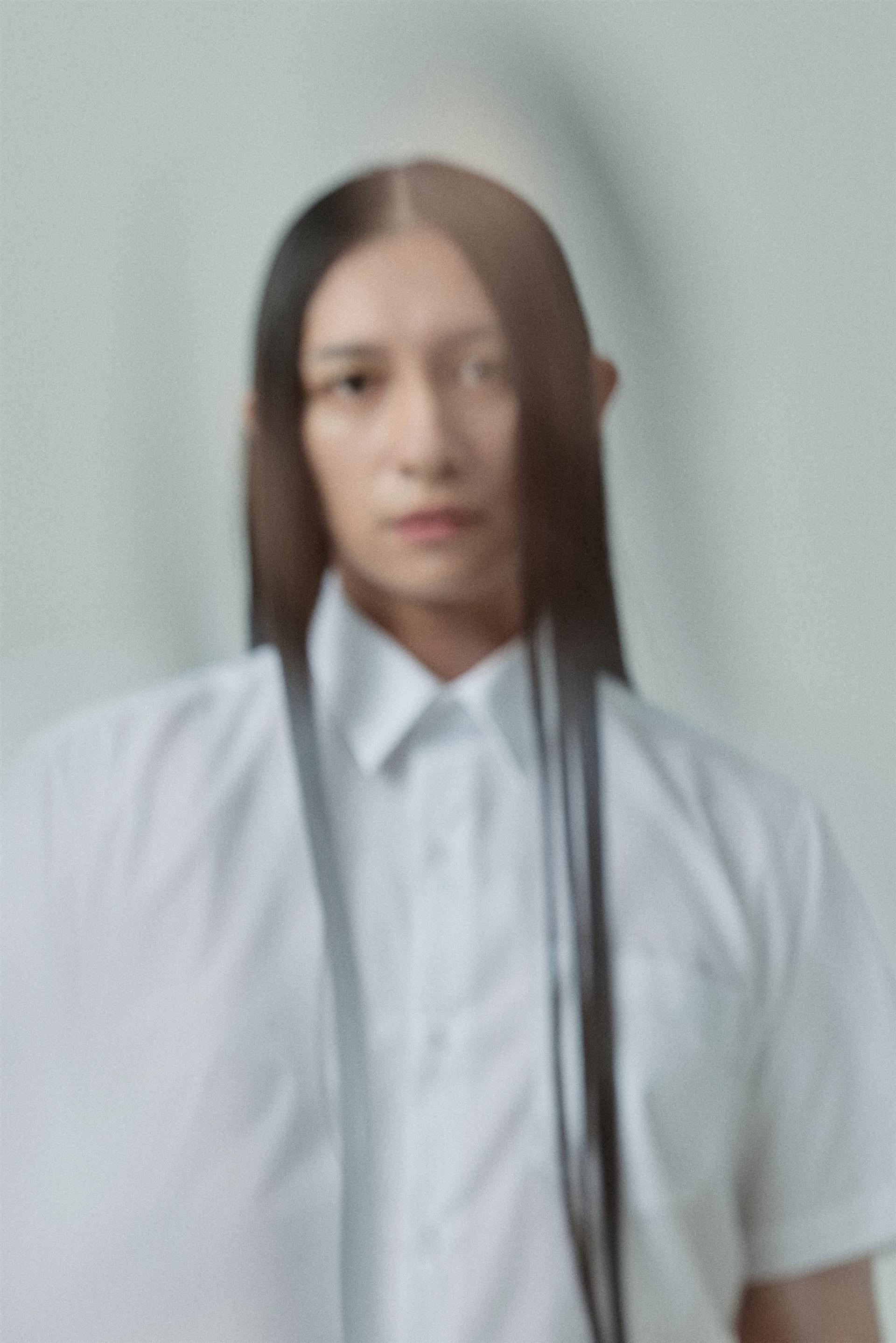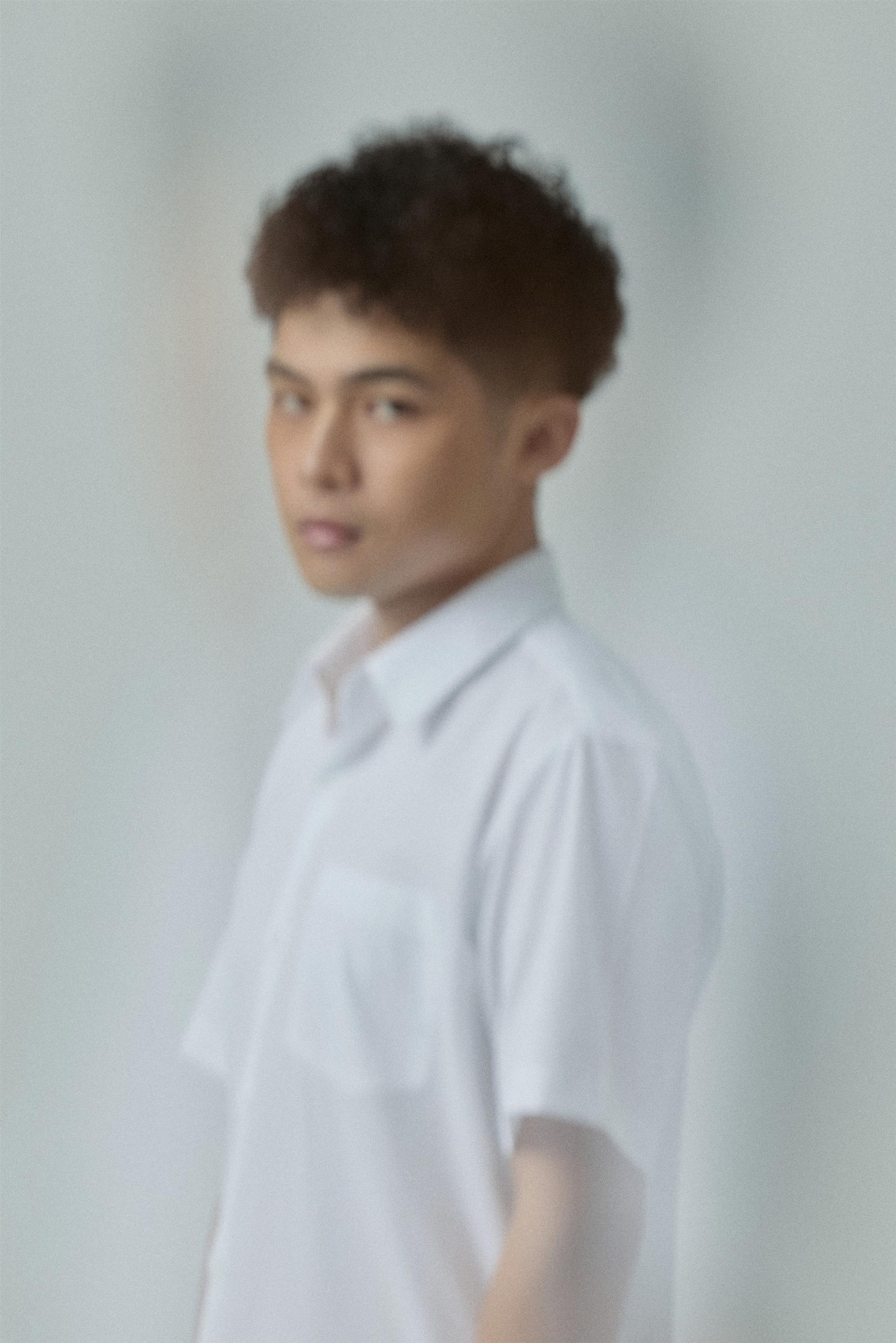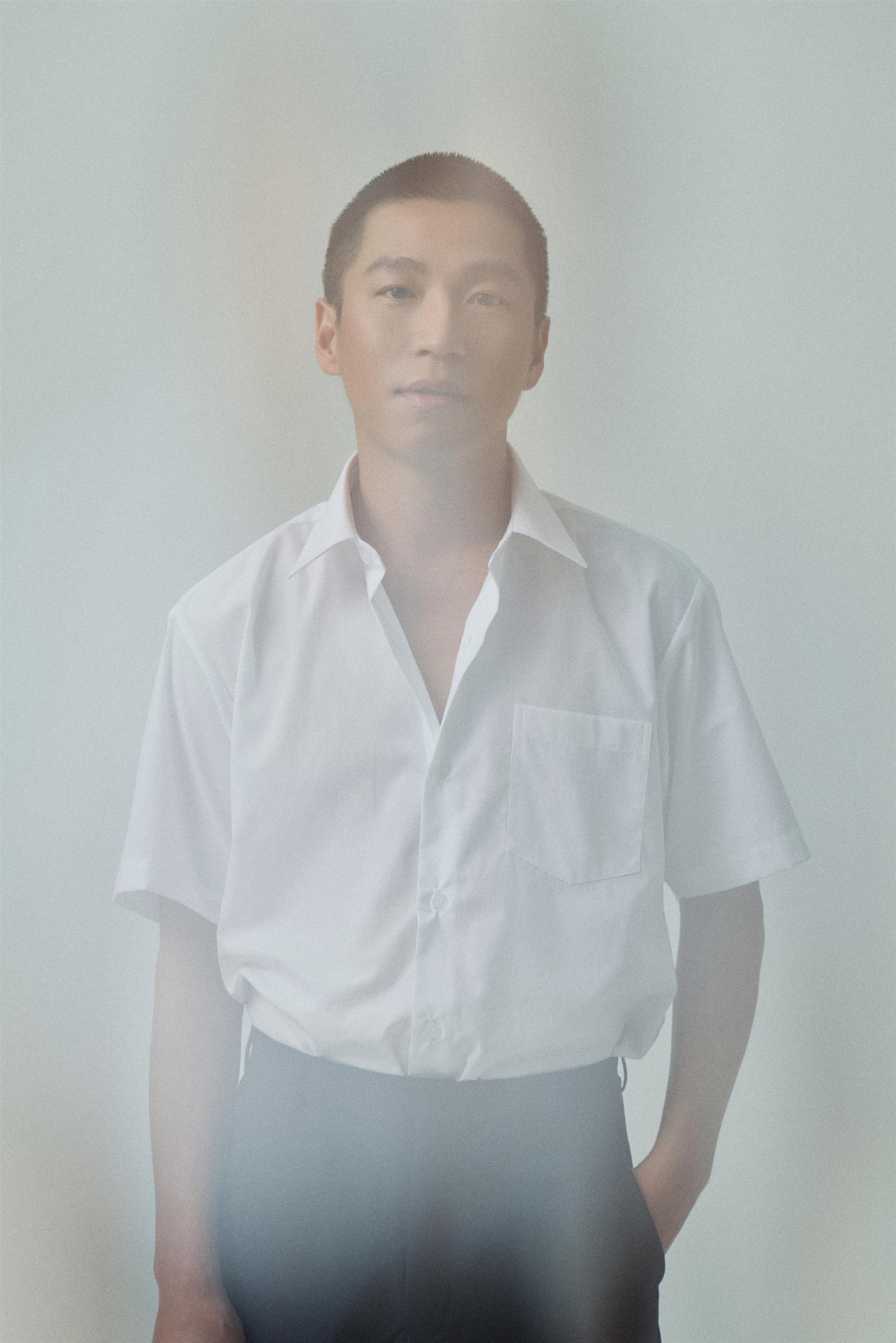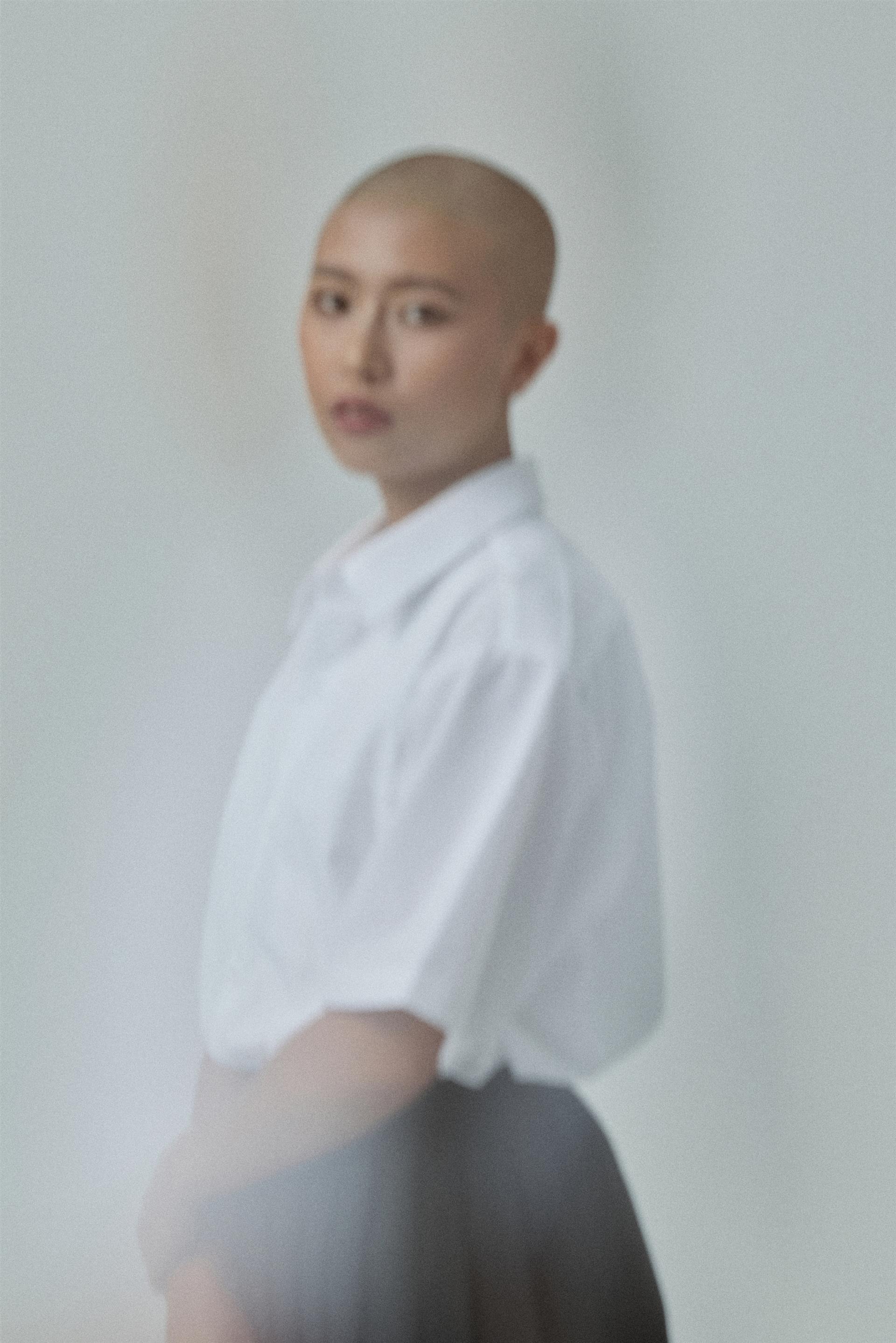
talrabiyawan 可以想像的通道
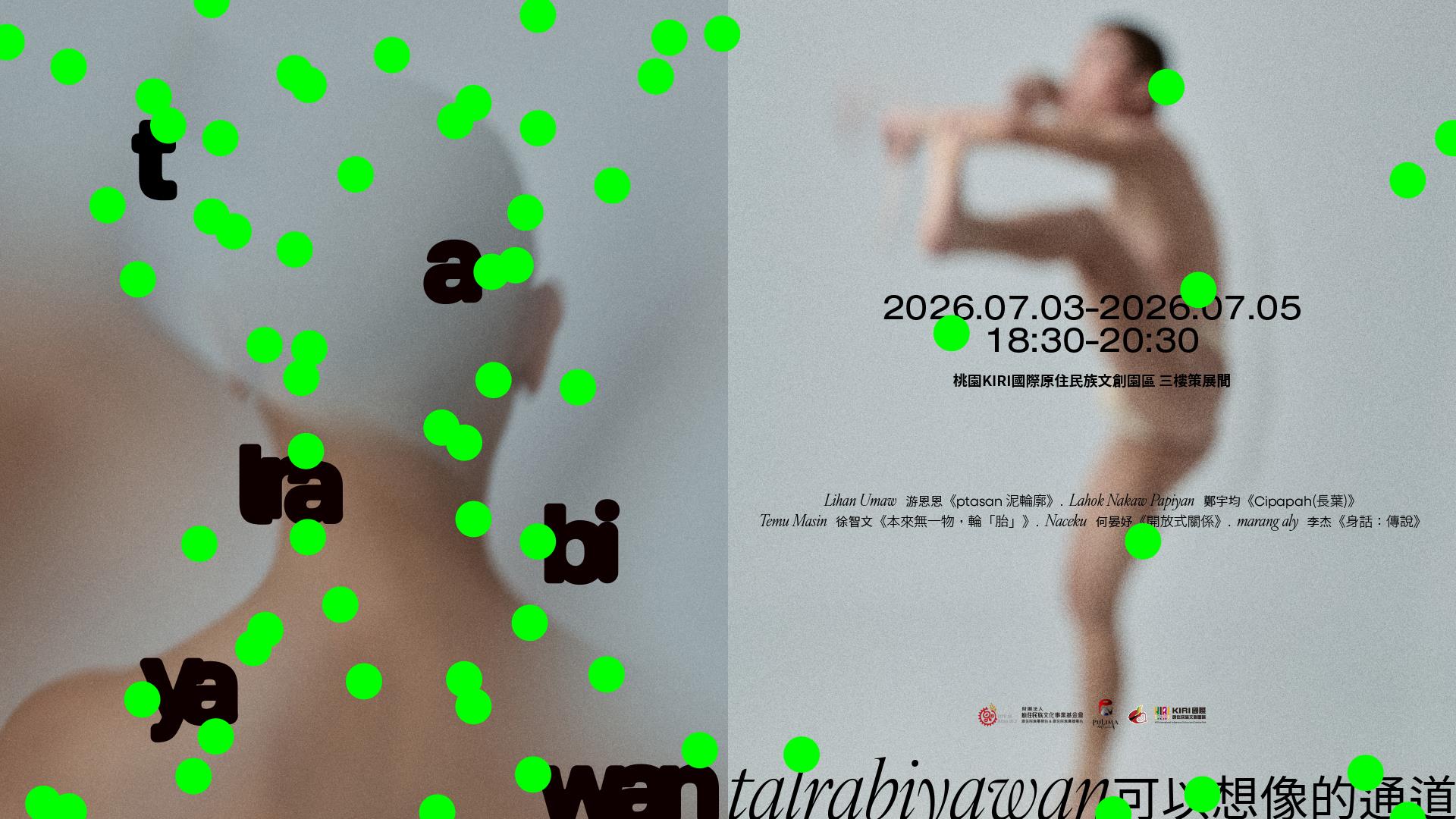
talrabiyawan 並非原本存在的詞語,而是由五位創作者各自族群語言中的詞彙拆解後重新拼裝而成。這些語言原本指涉某種與土地與勞動相關的空間,但在被重新組合之後,它不再指向單一文化或既定的場所,而成為一個新的名稱,一個仍在生成的概念。
在本次演出中,talrabiyawan 被理解為一條可以想像的通道。它像是一個途中之地,一個暫時停留與交會的空間,使不同的生命經驗得以在此相遇。人在其中短暫停留、交換感受,也在離開之後帶走新的理解。這樣的空間沒有固定形狀,它會隨著人的移動、記憶與關係而持續改變。
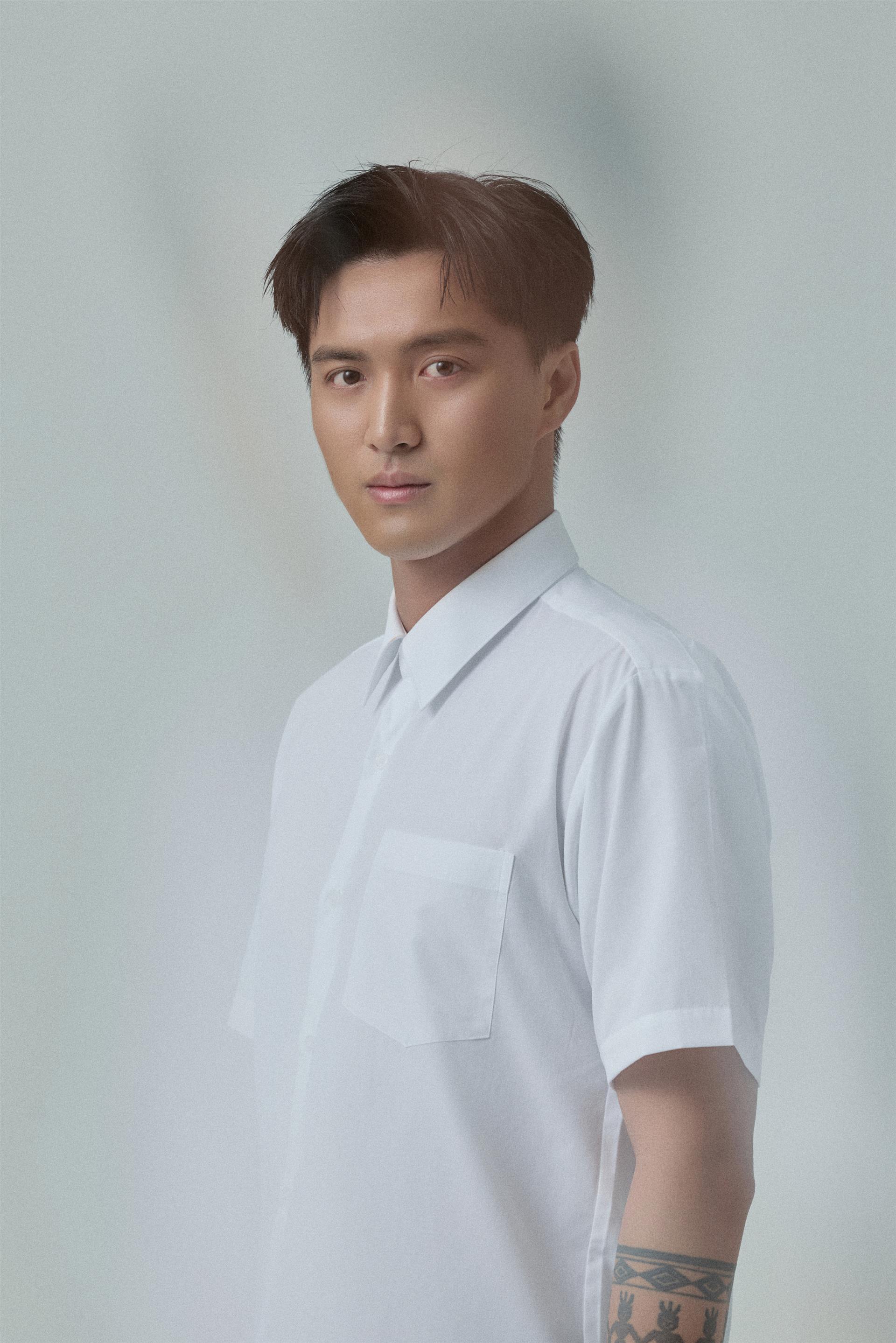
五位創作者Lihan Umaw 游恩恩、Lahok Nakaw Papiyan 鄭宇均、Temu Masin 徐智文、Naceku 何晏妤、marang aly 李杰,各自從不同的生命經驗出發,進入這條通道。他們的創作來自不同的文化位置、身體感知與生活背景,也在創作過程中重新理解自己與世界的關係。作品因此成為一個可以被共同搭建的場域,使個人經驗在彼此的觀看與感受之中逐漸形成新的連結。
因此,talrabiyawan 也成為本次演出的方法。舞台被想像為一個暫時生成的空間,使不同生命經驗在其中相遇。觀眾進入的不是一個完成的敘事,而是一個正在形成的場域:身體、聲音、記憶與文化在此彼此穿越,新的理解在交流之中慢慢出現。
由五段生命經驗所拼組而成的 talrabiyawan,既是一個名稱,也是一個通道。在這條通道之中,人們短暫停留,在彼此的故事之間相遇,也在相遇之中開啟新的想像。
Pulima藝術獎——表演創作徵件競賽長期作為原住民表演藝術的重要扶植平台,關注創作者如何在當代社會結構與生活現實之中,透過身體與行動回應自身所處的位置。在都市與部落之間的移動、文化經驗的斷裂與重組、身份的流動與世代之間的差異,這些複雜的處境,往往難以被直接說清楚,卻持續存在於身體之中。創作因此成為一種思考的方式,同時也是讓經驗被看見的過程。計畫透過徵件、製作、展演與巡演等支持機制,陪伴創作者持續發展作品,讓這些來自當下的身體經驗進入公共視野,並與不同觀眾展開交流。創作被視為一段持續生成的歷程,而非一次性的成果。
在進入正式排練與製作之前,我們沒有急著談作品。創作者先圍坐在同一張餐桌,各自帶來一道料理,不談概念,也不談進度,而是從食物開始。有人說起為了照顧生病長輩而反覆調整的味道,有人帶來家族世代醃製的菜,談起貧困年代與女性勞動,也有人煮了一鍋再簡單不過的麵,卻牽引出家族短暫相聚的記憶。那些關於被照顧、被記得、一起生活的片段,在分享與聊天之間慢慢浮現。那一刻,創作還沒有被說出來,但每個人已經帶著自己的生活走進來。
接著,我們一起進入場域。沒有先定義空間,也沒有急著尋找創作方向,只是停下來,在裡面待一段時間,與人說話,聽他們談過去的移動與現在的困境。那些曾被簡化的身份,在一件件物件之中被重新說回來。有人說這個空間很硬、很穩固,像一個已經成形的身體;也有人試著用觸覺與氣味重新感受,在結構之中找縫隙,找可以呼吸的地方。創作者也帶來自己的物件,關於身體的、關於關係的、關於記憶的:有人談親密與保護,有人談母親與身體的變化,有人從織布說起人生的打結與延續,也有人從一個味道,記住一段已經消失的空間。這些經驗沒有被急著整理,也沒有被轉化為答案,它們先被放在一起,在同一個時間裡共存。於是我們開始不斷反問:創作是否一定要承擔改變場域的期待?藝術是否也能成為陪伴與傾聽,並在其中留下痕跡?在一個看似卡住的空間裡,是否仍有可能慢慢長出新的連結方式?這些問題沒有立即的回應,但創作,已經在這樣的停留與相遇之中,悄悄開始發生。
在這樣的脈絡之下,2026 Pulima 表演新藝站,邀集五位創作者於同一空間中共同創作,展開一場近兩小時的連續演出。作品不再只是彼此獨立的單元,而是在非典型劇場空間中彼此延伸、交織,形成一個持續變動的場域。
Lihan Umaw 游恩恩《ptasan 泥輪廓》以泥與紙的交錯行動轉化文面傳說,使身體痕跡成為文化記憶的回返;Lahok Nakaw Papiyan 鄭宇均《Cipapah(長葉)》從語言斷裂出發,以身體行動回應族語的流失;Temu Masin 徐智文《本來無一物,輪「胎」》從懸掛於樹上的輪胎出發,喚起童年經驗與身體感知;Naceku 何晏妤《開放式關係》透過強烈的行為與物件,回應性別與身份的流動處境;marang aly 李杰《身話:傳說》則以片段化的身體與影像,構築一種未完成的敘事狀態。
這些作品各自成立,同時也在同一場域之中彼此影響,使創作不再只是呈現,而是一種共同生成的過程。
\ 演出資訊 \
- 時間| 7/3(星期五)、7/4(星期六)、7/5(星期日) 18:30-20:30
- 地點| KIRI 國際原住民族文創園區 3樓策展間 (桃園市大園區大成路二段100號)
\觀眾注意事項\
- KIRI 國際原住民族文創園區,可搭乘臺灣高鐵至桃園站下車後,轉乘機場捷運(往臺北車站方向)至桃園捷運 A17 領航站,出站後往右前方步行約 3 分鐘即可抵達;亦可直接搭乘機場捷運至 A17 領航站。
- 本次演出時間為 7月3日(星期五)、7/4(星期六)、7月5日(星期日),入場時段為18:00–18:30,請準時入場。
- 建議觀賞年齡為 7歲以上。
- 為避免遲到導致無法入場,建議您提早出發,預留交通與等候時間(提醒臺北南下路段易塞車)。
- 本演出形式需隨表演進行移動,入場後請依照現場表演者的引導前往各演出區域,並留意動線與觀賞距離,以確保觀演安全與體驗品質。
- 如於現場感到身體不適,請立即聯繫工作人員,我們將協助您依指示離場。
- 演出現場無設置固定座位,觀眾可站立或席地而坐。若您有特殊需求,請於入場前主動告知服務人員。
talrabiyawan:An Imagined Passage
talrabiyawan is not an originally existing word. It is a newly assembled term, constructed by deconstructing and recombining words from the respective Indigenous languages of five artists. These original words each referred to spaces related to land and labor. However, through this process of reassembly, the term no longer points to a single culture or a fixed place. Instead, it becomes a new idea—an evolving concept that is still in the process of formation.
In this performance, talrabiyawan is understood as an imagined passage. It resembles a space in transit—a place of temporary stay and engage—where different lived experiences are able to meet. Within it, people linger briefly, exchange sensations, and depart carrying new understandings. Such a space has no fixed form; it continuously shifts in response to movement, memory, and relationships.
Five artists—Lihan Umaw, Lahok Nakaw Papiyan, Temu Masin, Naceku, and marang aly—each enter this passage from their own distinct life experiences. Their works discovered from different cultural positions, embodied perceptions, and backgrounds, while also re-examining their relationships with themselves and the world through the creative process. As a result, the works become a shared space that can be collectively constructed, where individual experiences gradually form new connections through mutual observation and perception.
Therefore, talrabiyawan also becomes the methodology of this performance. The stage is imagined as a temporarily space in which different life experiences come into encounter. What the audience enters is not a finished narrative, but an emergent space: bodies, sounds, memories, and cultures intersect and pass through one another, and new understandings gradually unfold through these exchanges.
Composed of five interwoven life experiences, talrabiyawan is both a concept and a passage. Within this passage, people stay briefly, encounter one another through their stories, and, in those encounters, open up new possibilities for imagination.
The Pulima Art Award—Performing Arts Open Calls has long served as a platform for supporting Indigenous performing arts. It focuses on how artists respond to their positions within contemporary social structures and lived realities through body and action. The movements between urban and tribal contexts, the ruptures and reconfigurations of cultural experience, the fluidity of identity, and the differences across generations—these complex conditions are often difficult to articulate directly, yet they persist within the body.
Creation thus becomes a way of thinking, as well as a process through which lived experiences are made visible. Through mechanisms such as open calls, production support, presentations, and touring, the program accompanies artists in the ongoing development of their works, bringing these embodied experiences from the present into the public field and fostering dialogue with diverse audiences. Creation is understood not as a one-time outcome, but as a continuously evolving process.
Before entering rehearsals and production, we did not rush to talk about the works. The artists first gathered around a shared table, each bringing a dish. Rather than discussing concepts or progress, we began with food.One spoke of repeatedly adjusting flavors while caring for an ill elder. Another brought a family recipe preserved across generations, recalling times of hardship and women’s labor. Someone else cooked a simple pot of noodles, which evoked memories of brief family reunions. Fragments of being cared for, being remembered, and living together gradually surfaced through sharing and conversation.In that moment, the work had not yet been spoken—but each person had already entered the space carrying their own life.
We then entered the space together. Without first defining the space or rushing to determine a direction, we simply stopped—spending time within it, speaking with people, and listening to stories of past movements and present struggles. Identities that had once been simplified were gradually rearticulated through objects, one by one.Some described the space as hard and solid, like a body already formed. Others tried to reconstruct it through touch and smell, searching for gaps within its structure—for places where breath might be possible. The artists also brought their own objects: of the body, of relationships, of memory. Some spoke of intimacy and protection; others reflected on mothers and the transformations of the body. One began with weaving, tracing the knots and continuities of life; another held onto a scent as a way of remembering a space that no longer exists.These experiences were not hurriedly organized, nor were they turned into answers. Instead, they were placed together, coexisting within the same moment. And so we began to ask, again and again: Must creation always bear the expectation of transforming a space? Can art also become a practice of accompaniment and listening, leaving traces through its presence? Within a space that seems stuck, is it still possible for new forms of connection to slowly emerge?These questions did not yield immediate answers. Yet within this act of pausing and encountering, creation had already quietly begun.
Within this context, the 2026 Pulima Performing Arts Platform brings together five artists to co-create within a shared space, unfolding a continuous performance of nearly four hours. The works are no longer presented as separate, independent units; instead, they extend into and intertwine with one another within a non-traditional theatrical setting, forming a constantly shifting field.
Lihan Umaw, in Becoming Through Mud, transforms tattooing myths through the interwoven actions of mud and paper, allowing bodily traces to become a return to cultural memory. Lahok Nakaw Papiyan, in Cipapah:Growing Leaves , departs from linguistic rupture, responding to the loss of Indigenous language through embodied action. Temu Masin, in Rolling Nowhere, begins with a tire suspended from a tree, evoking childhood experiences and bodily perception. Naceku, in Polyamory , engages with the fluid conditions of gender and identity through intense actions and objects. Meanwhile, marang aly, in Body Tales:Myth Tells , constructs an unfinished narrative state through fragmented bodies and imagery.
Each of these works stands on its own, yet within the shared space they also influence one another. Creation thus becomes not merely a presentation, but a process of collective emergence.
Each of these works stands on its own, yet within the shared space they also influence one another. Creation thus becomes not merely a presentation, but a process of collective emergence.
\ Performance Information \
- Dates & Time|July 3 (Fri), July 4 (Sat), July 5 (Sun) | 18:30–20:30
- Venue|KIRI International Indigenous Cultural and Creative Park, 3F Exhibition Hall
\ Audience Information \
- KIRI International Indigenous Cultural and Creative Park can be reached by taking the Taiwan High Speed Rail to Taoyuan Station, then transferring to the Airport MRT (towards Taipei Main Station) and getting off at A17 Linghang Station. From Exit, walk approximately 3 minutes forward to the right. You may also take the Airport MRT directly to A17 Linghang Station.
- Performance dates are July 3 (Fri), July 4 (Sat), and July 5 (Sun). Admission time is from 18:00 to 18:30. Please arrive on time.
- Recommended for ages 7 and above.
- To avoid being denied entry due to late arrival, please depart early and allow sufficient time for transportation and waiting (note that southbound traffic from Taipei may be congested).
- This performance requires audience movement. After entering, please follow the guidance of the performers to different performance areas, and be mindful of circulation routes and viewing distance to ensure safety and quality of experience.
- If you feel unwell during the performance, please inform staff immediately. Assistance will be provided according to instructions.
- There is no fixed seating at the venue. Audience members may stand or sit on the floor. If you have special needs, please inform the staff before entering.
\ Production Team 製作團隊 \
Cast & Crew 演職人員|Lihan Umaw 游恩恩、Lahok Nakaw Papiyan 鄭宇均、Temu Masin 徐智文、Naceku 何晏妤、marang aly 李杰、maya’ a taboeh hayawan 羅媛、Papoh Falahan、林承豪 Lin Cheng-Hao
Dramaturgy Crew 戲劇構作群|Ihot Sinlay Cihek、Watan Tusi、王廷瑋 Qaisu、周伶芝 Chow Ling-Chih、郭亮廷 Kuo Liang-Ting
Technical Coordination & Execution 技術統籌/執行|混將有限公司 Blend,.Co.
Lead Visual Designer 主視覺統籌|五八五八工作室 5858WORKROOM
Artistic Director 藝術指導|58kg
Graphic Designer 平面設計|58kg
Photographer 攝影|58kg
Photography Assistant 攝助|山大王 Alejandro Wang
Makeup Artist 化妝|鍾其甫 Chi Fu Chung
Hair Stylist 髮型|李麗貞 dodo ivy
Video Director 影像統籌|散景影像製作公司 BOKEH STUDIO
Director 導演|陳彥成 Chen Yen Cheng、陳琮皓 Chen Tsung Hao
Cinematography 攝影|翁悅 Yeah Weng
Cinematography Assistant 攝助|簡嘉君 Jia-Jyun,Jian
Lightning 燈光|翁悅 Yeah Weng
Executive Producer 總監製|阿路一‧賈佳法子 Alui‧Djadjavac
Co-Producer 協同監製|曾瓊慧 Lovenose
Producer 製作人|米利安‧巴祈睿爾 Milingan Batjezuwa
Production Assistant 製作協力|Piling Itey、林韋翔 Wei Hsiang Lin、林宜萱 Dongi‧Micyan、陳惠君 Saljeljing Yaluwan
Organizer 主辦單位|財團法人原住民族文化事業基金會 Indigenous Peoples Cultural Foundation
Co -Organizer 協辦單位|桃園市政府原民局 Taoyuan City Department of Indigenous Affairs、KIRI 國際原住民族文創園區 KIRI International Indigenous Cultural and Creative Park
Technical Coordination & Execution 技術統籌/執行|混將有限公司 Blend,.Co.
Lead Visual Designer 主視覺統籌|五八五八工作室 5858WORKROOM
Artistic Director 藝術指導|58kg
Graphic Designer 平面設計|58kg
Photographer 攝影|58kg
Photography Assistant 攝助|山大王 Alejandro Wang
Makeup Artist 化妝|鍾其甫 Chi Fu Chung
Hair Stylist 髮型|李麗貞 dodo ivy
Video Director 影像統籌|散景影像製作公司 BOKEH STUDIO
Director 導演|陳彥成 Chen Yen Cheng、陳琮皓 Chen Tsung Hao
Cinematography 攝影|翁悅 Yeah Weng
Cinematography Assistant 攝助|簡嘉君 Jia-Jyun,Jian
Lightning 燈光|翁悅 Yeah Weng
Executive Producer 總監製|阿路一‧賈佳法子 Alui‧Djadjavac
Co-Producer 協同監製|曾瓊慧 Lovenose
Producer 製作人|米利安‧巴祈睿爾 Milingan Batjezuwa
Production Assistant 製作協力|Piling Itey、林韋翔 Wei Hsiang Lin、林宜萱 Dongi‧Micyan、陳惠君 Saljeljing Yaluwan
Organizer 主辦單位|財團法人原住民族文化事業基金會 Indigenous Peoples Cultural Foundation
Co -Organizer 協辦單位|桃園市政府原民局 Taoyuan City Department of Indigenous Affairs、KIRI 國際原住民族文創園區 KIRI International Indigenous Cultural and Creative Park